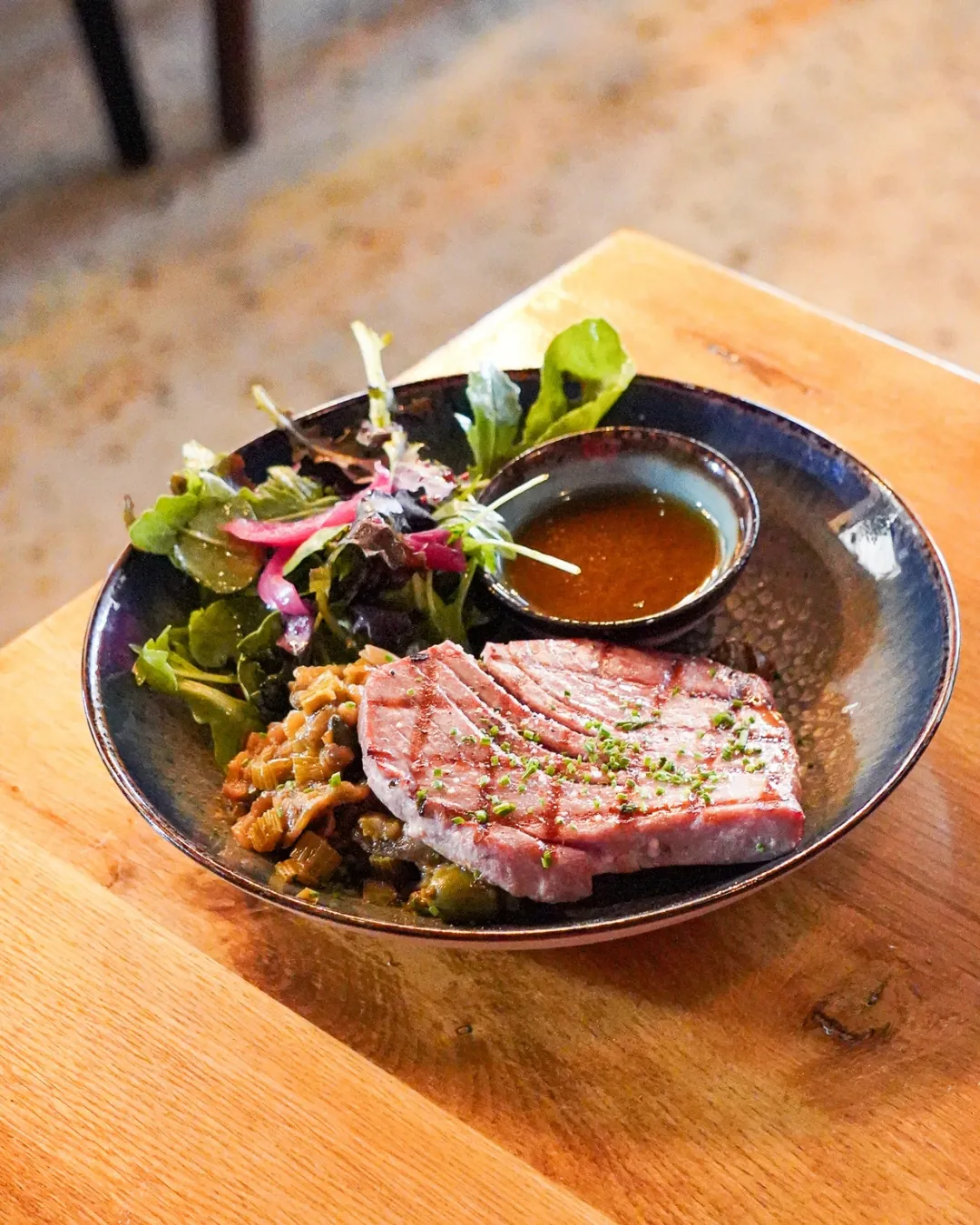
Sea & auction
Fish of the day, bream, red mullet, sardine and shellfish with the catch: the signature of a city facing the open sea, all year round.

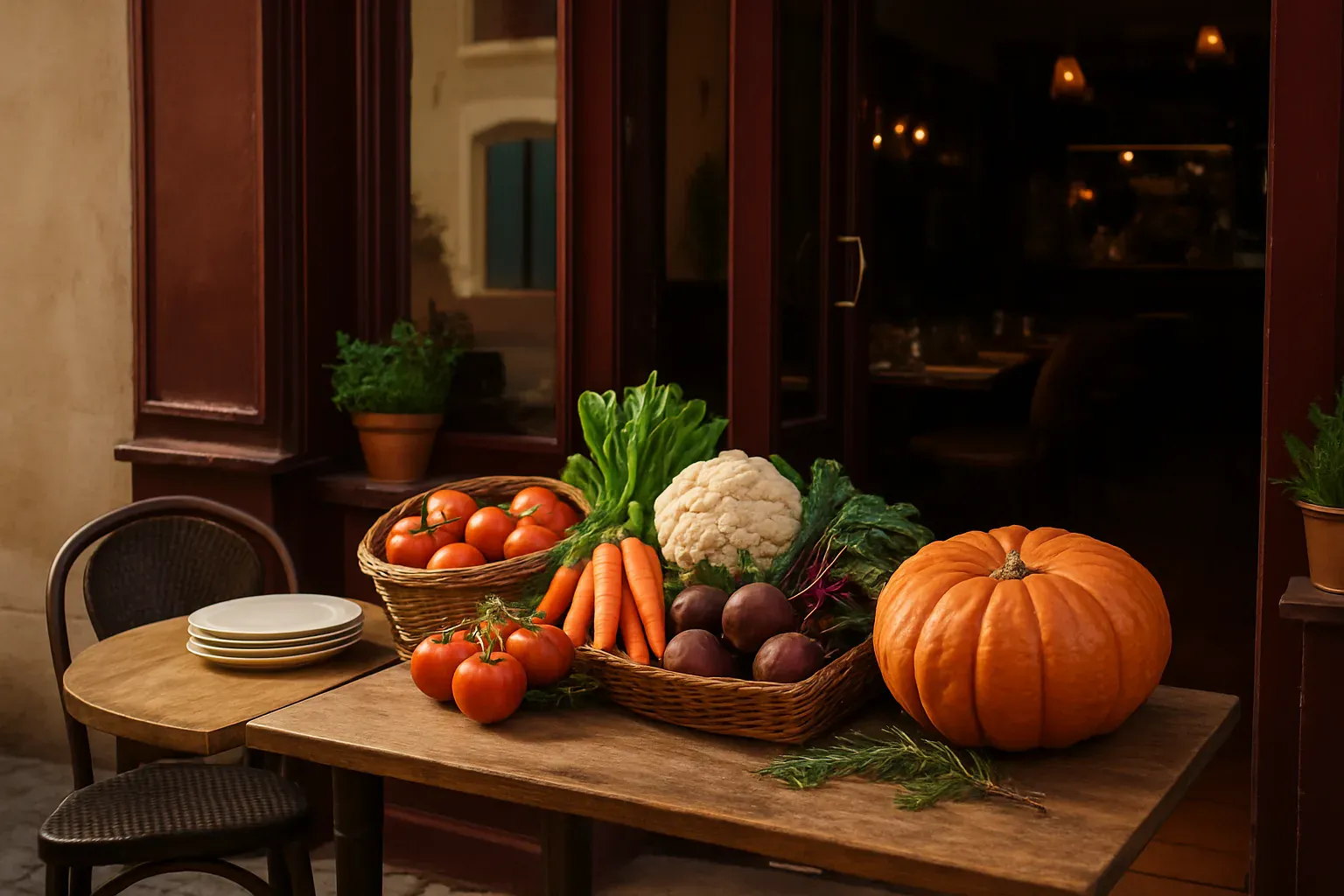
A calendar of the seasons, the city markets, fish from the auction and sun-grown vegetables: our notebook to eat fresh, local and just right, in Provençal rhythm.
In short
Eating in season in Marseille means following the Mediterranean calendar: tomatoes, aubergines and courgettes in summer, squash and citrus in winter, artichokes and broad beans in spring, and fish with the catch all year.
The market is the best place to start: Noailles and the Capucins for abundance, cours Julien for organic, the quays for the day’s fish.
Seasonal produce tastes better, often costs less and travels less. Look for freshness, local origin and short menus that change monthly — as ours does, on place Thiars.
The setting
Marseille sits between the sea and one of France’s finest larders — the Med, the Provençal hills and the market gardens of the Bouches-du-Rhône. Here, eating in season is simply the oldest, most natural way to build a plate.
Seasonal produce in Marseille means proximity: fish from the auction, vegetables from the hinterland, fruit ripened in Provençal orchards — tomatoes, aubergines, melon, apricots, olive oil and herbs, all grown close to the city.
The calendar
Spring brings tender vegetables: artichoke, broad beans, peas, asparagus and the first strawberries. Summer is the terroir’s peak — tomatoes, aubergines, courgettes, basil, melon, apricots and figs.
Autumn softens the palette with squash, mushrooms, grapes and chestnuts, for gentle slow-cooked dishes. Winter leans on citrus, cabbage, leeks and roots — while fish, with its own seasons, runs all year.
The craft
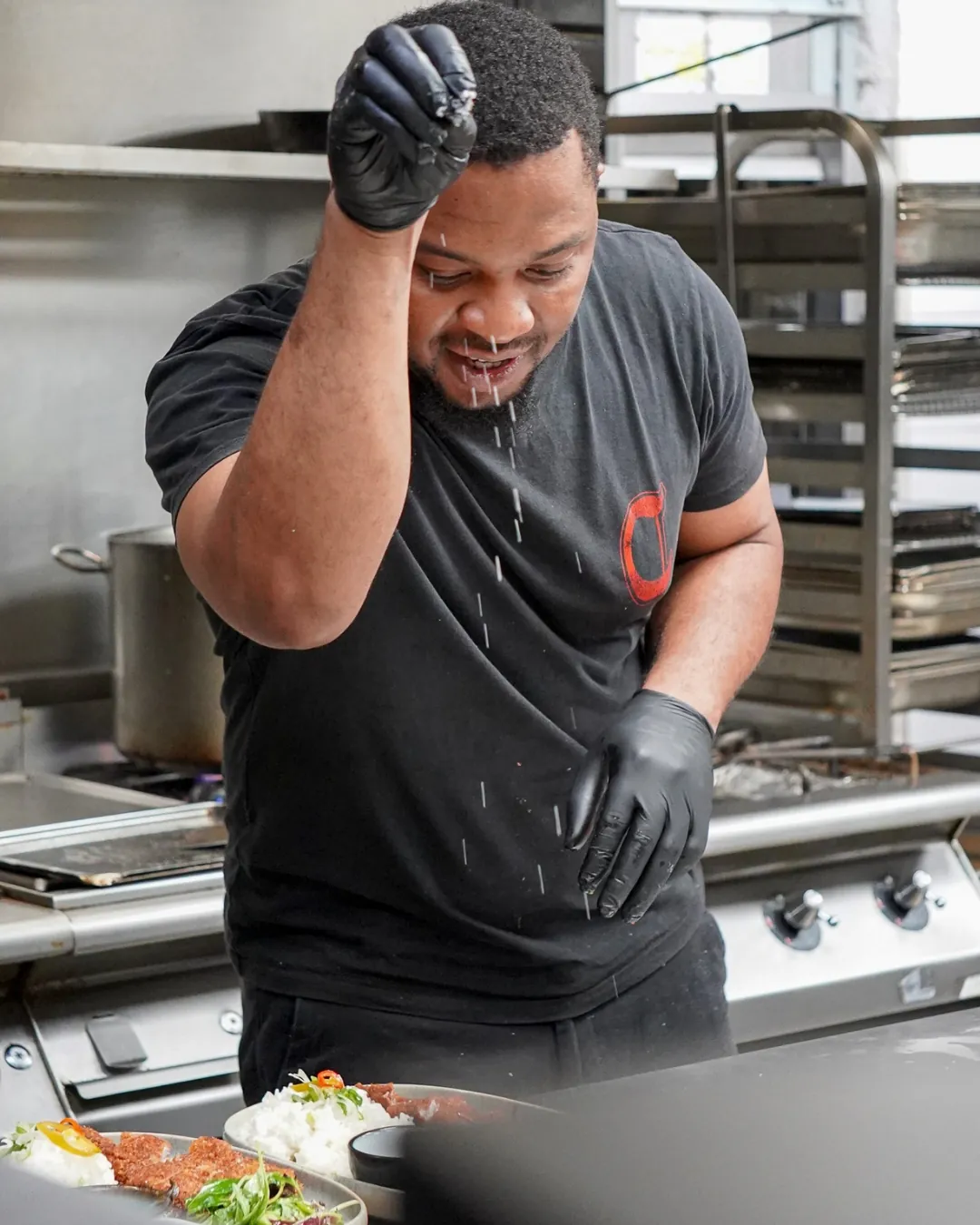
Seasonal produce shines in good hands. Marseille’s best kitchens share one reflex: build the menu from what is fresh, not the other way round — start from the market, then invent the dish.
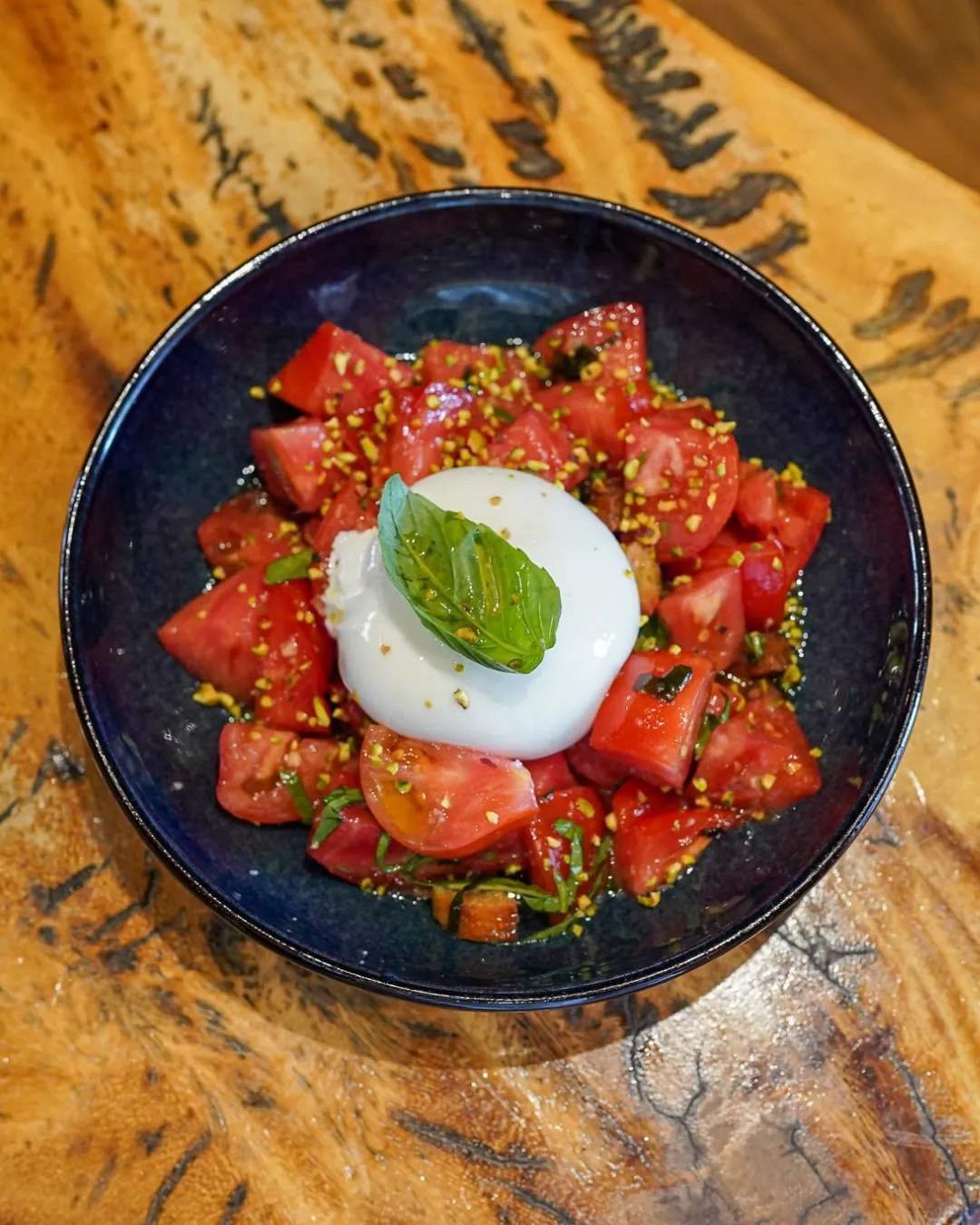
A ripe tomato needs no trick, just olive oil, salt and basil; a fish of the day is cooked simply. Seasonal cooking is restraint as much as generosity — and it accepts change, service after service.
The larder
The Marseille terroir reads in three families — each bringing its colour and flavour to the table.
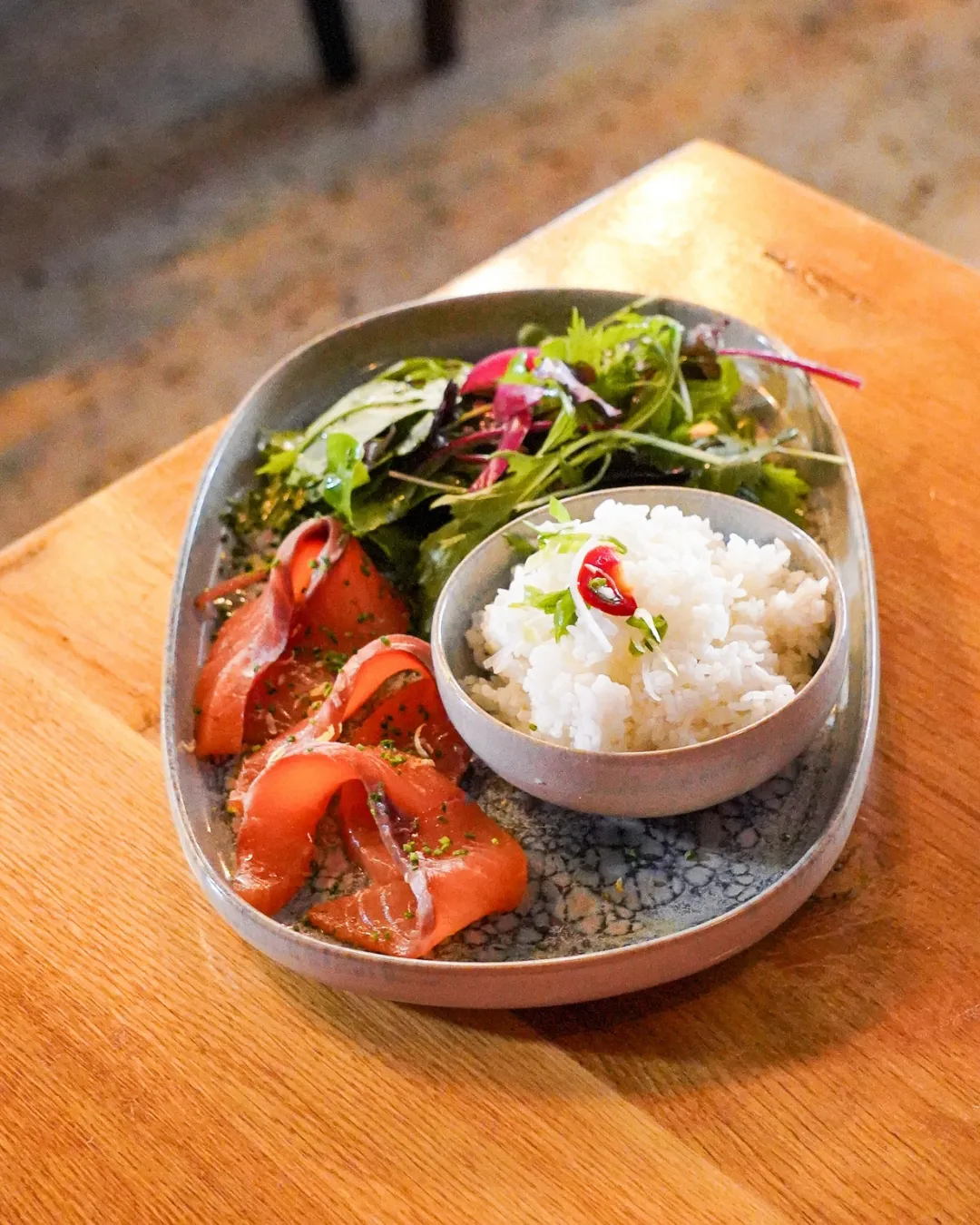
Fish of the day, bream, red mullet, sardine and shellfish with the catch: the signature of a city facing the open sea, all year round.
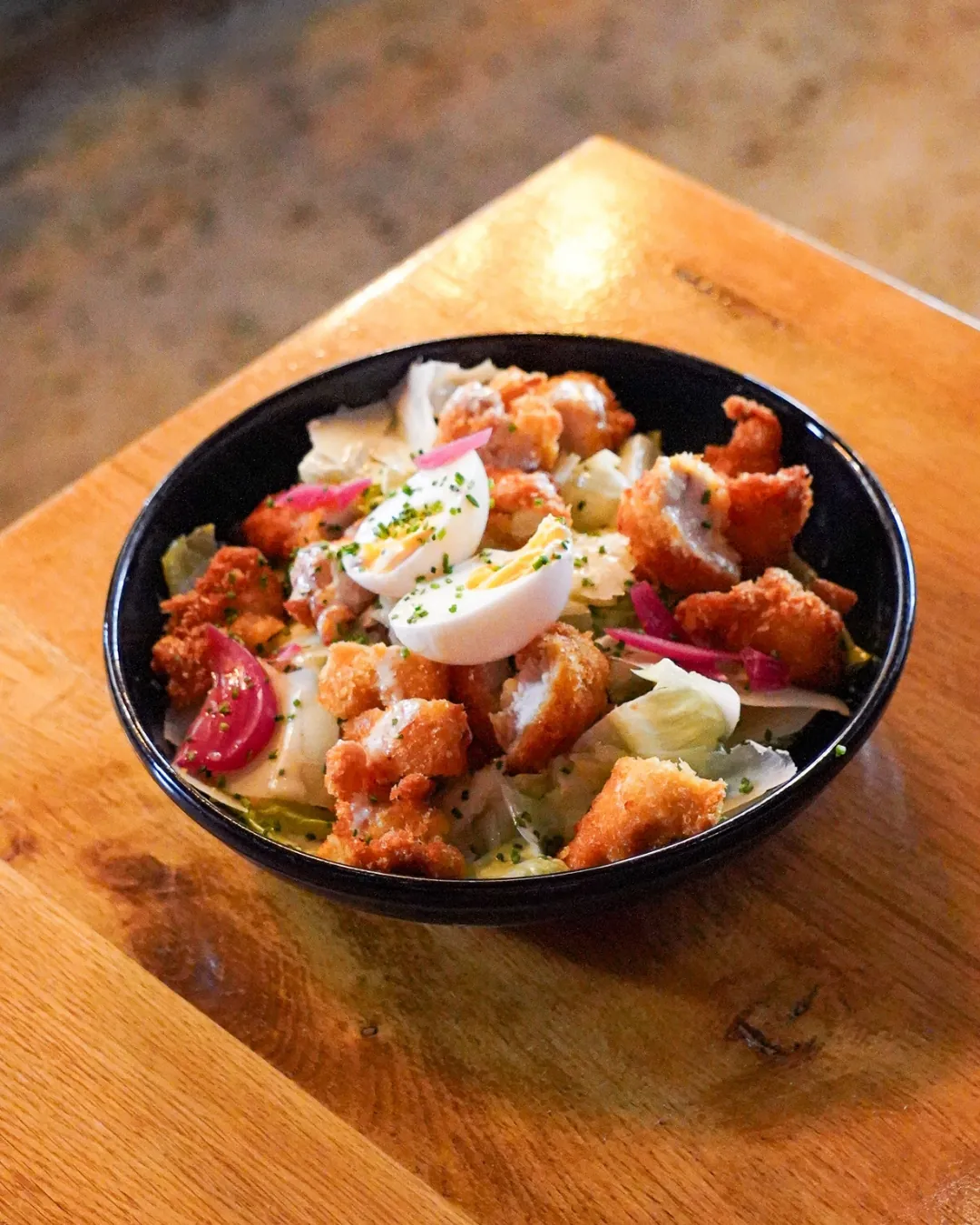
Tomatoes, aubergines and peppers in summer; squash, cabbage and roots in winter. The colourful heart of southern cooking.
Apricots, peaches and figs in the warm months; clementines, oranges and lemons in the cold. Sunlit sweetness and bright acidity.
The addresses
The market is the best school for seasonal produce. What overflows the crates is, almost always, what to put in your basket.
Three landmarks to start well, from lively abundance to just-landed fish.
Marseille’s belly: the Capucins market overflows with fruit, vegetables and spices at gentle prices, all week.
The farmers’ and organic markets of cours Julien and la Plaine put local growers and short supply chains first.
For fish, follow the day’s catch on the Vieux-Port quays and coastal stalls — the best marine barometer.
Common sense
Seasonal food tastes better: a fruit picked ripe, at the right time and place, develops aromas no heated greenhouse can match. An August tomato is nothing like a January one.
It is also cheaper and greener: abundant produce costs less, and choosing local and seasonal cuts transport and supports the growers of the Bouches-du-Rhône.
A trained eye
A real seasonal product is abundant, firm, colourful and fragrant, at a fair price and grown locally. If it is rare, dear, wrapped and odourless, it likely comes from far away.
At a restaurant, the best clue is the menu: short, changing monthly, with a dish of the day. Endless year-round menus rarely mean freshness.
At home
A few simple reflexes turn a market basket into real meals.
Start from the market
Don’t plan the menu ahead: buy what is beautiful and abundant, then build the dish around it.
Keep it simple
Short cooking, olive oil, fresh herbs, salt — let the produce speak rather than hiding it under sauces.
Store for later
Too many courgettes or tomatoes? Ratatouille, coulis, preserves or freezing extend the season’s flavours.
Our address
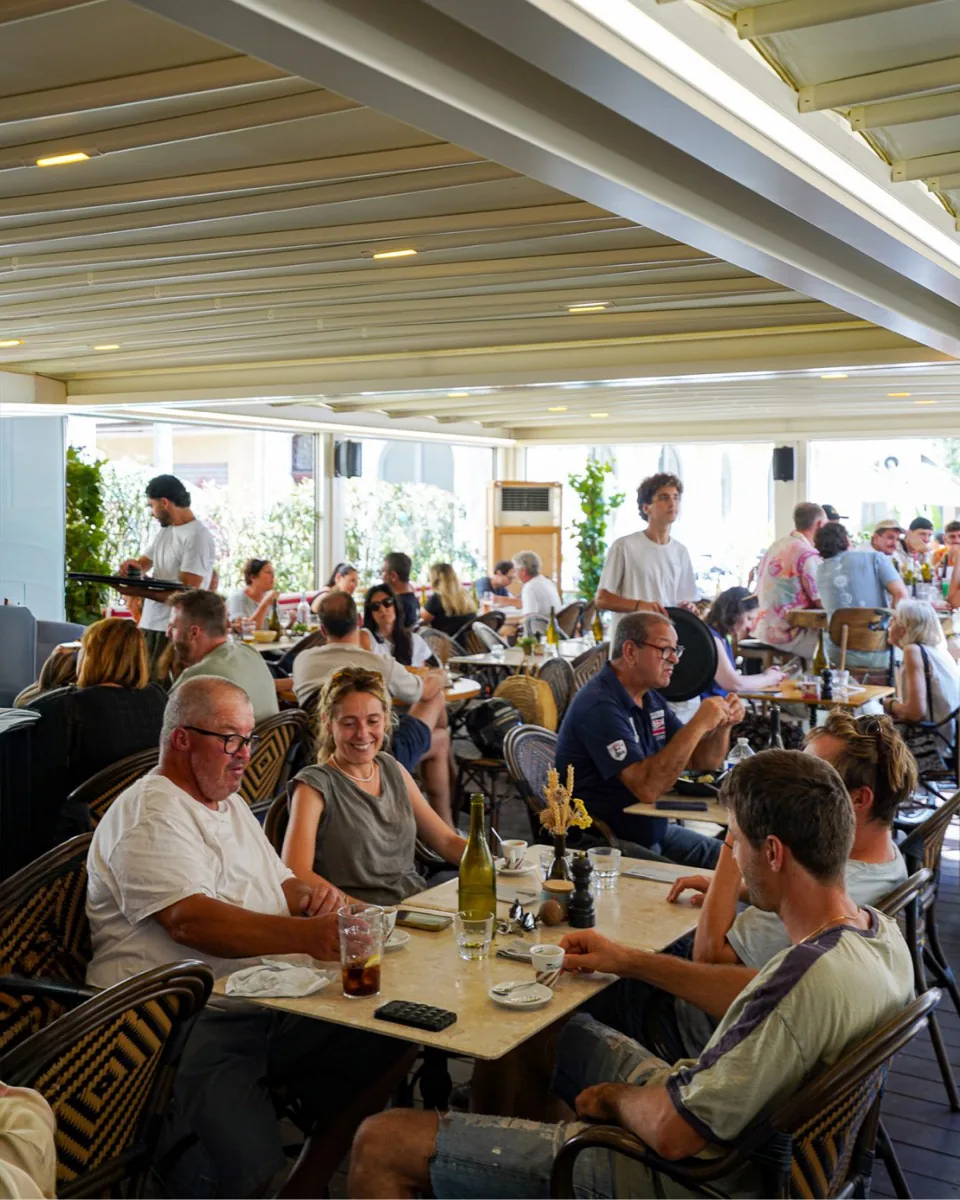
Since we’re talking seasons from our own kitchen, let us open the door. Le Caribou, on place Thiars by the Vieux-Port, makes the market its compass: the menu follows the catch and changes through the months.
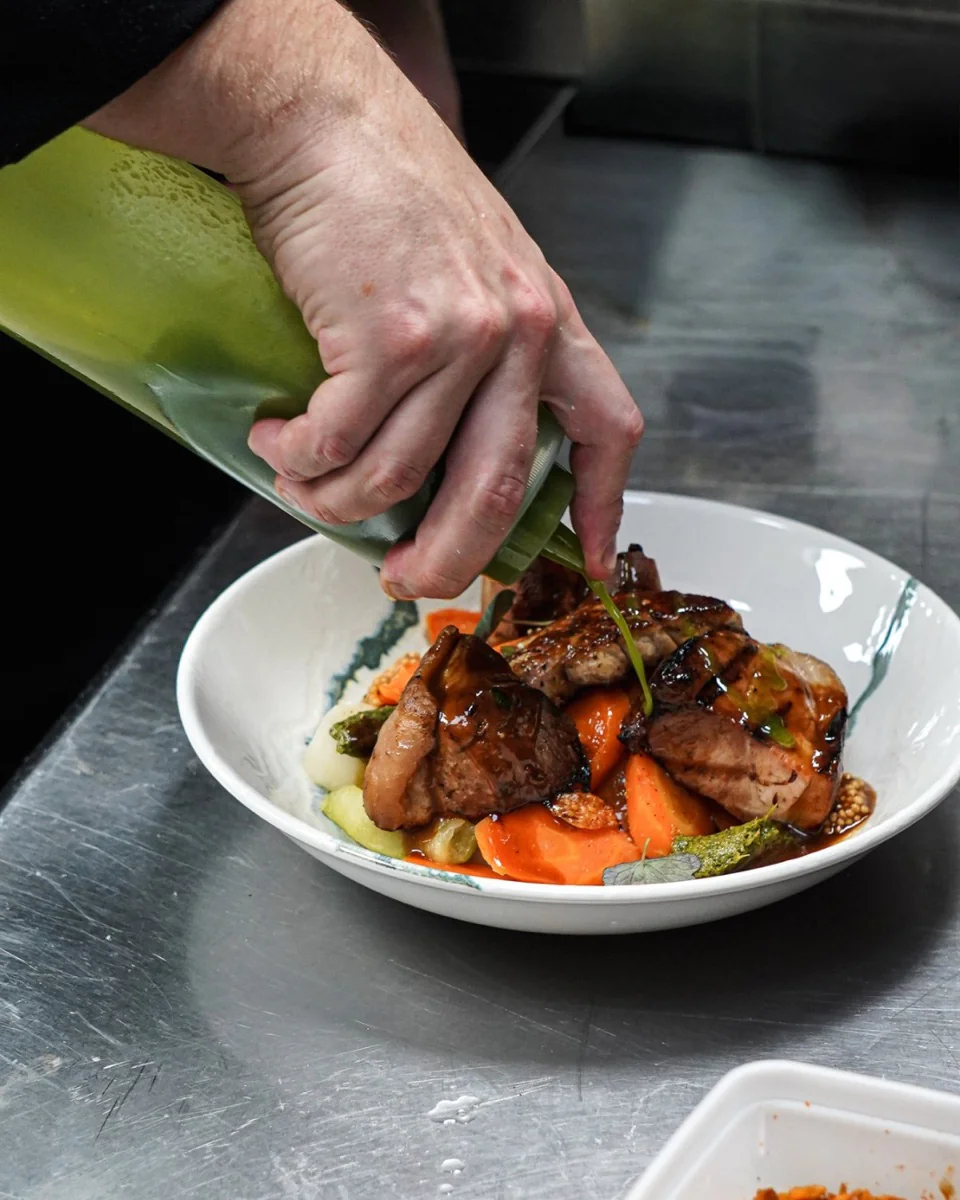
Sun vegetables in summer, squash and roots in the cold, fish of the day with the catch, and creations that evolve with the season — plated with care, on a pergola terrace, with late-evening service.
Practical
A few markers to eat in season through the Marseille year: follow the land and the sea, and let the market decide.
Spring: artichoke, broad beans, peas, asparagus, young salads, first strawberries.
Summer: tomatoes, aubergines, courgettes, peppers, basil, melon, apricots, peaches, figs.
Autumn: squash, mushrooms, grapes, quince, chestnuts — the time for slow-cooked dishes.
Winter: citrus, cabbage, leeks, roots, and fish all year with the catch.
Good to know
Summer is the peak of the Provençal terroir: tomatoes, aubergines, courgettes, peppers, basil and melon, plus apricots, peaches and figs — with the day’s fish according to the catch.
The Capucins market in Noailles for abundance, cours Julien and la Plaine for local and organic, and the Vieux-Port stalls for fresh fish. Buy what is abundant and local — the surest sign of the season.
A seasonal product is abundant, firm, colourful and fragrant at a fair price, grown locally. If it is rare, dear, wrapped and odourless, it likely comes from far away or a greenhouse.
It tastes better, often costs less because it is abundant, and cuts transport while supporting local growers of the Bouches-du-Rhône.
Yes. Fish is available year-round, but each species has its peak. Follow the day’s catch at the auction and on the quays for the freshest, most seasonal fish.
Absolutely. Good Vieux-Port tables build their menus from the market and change dishes with the seasons. At Le Caribou, place Thiars, the menu follows the catch and the freshest produce.
Go further
Find all our addresses, tips and Marseille behind-the-scenes in the restaurant journal.
Book your table at Le Caribou, on Marseille’s Vieux-Port — homemade cooking in market rhythm and a terrace facing the quays, lunch and dinner.