
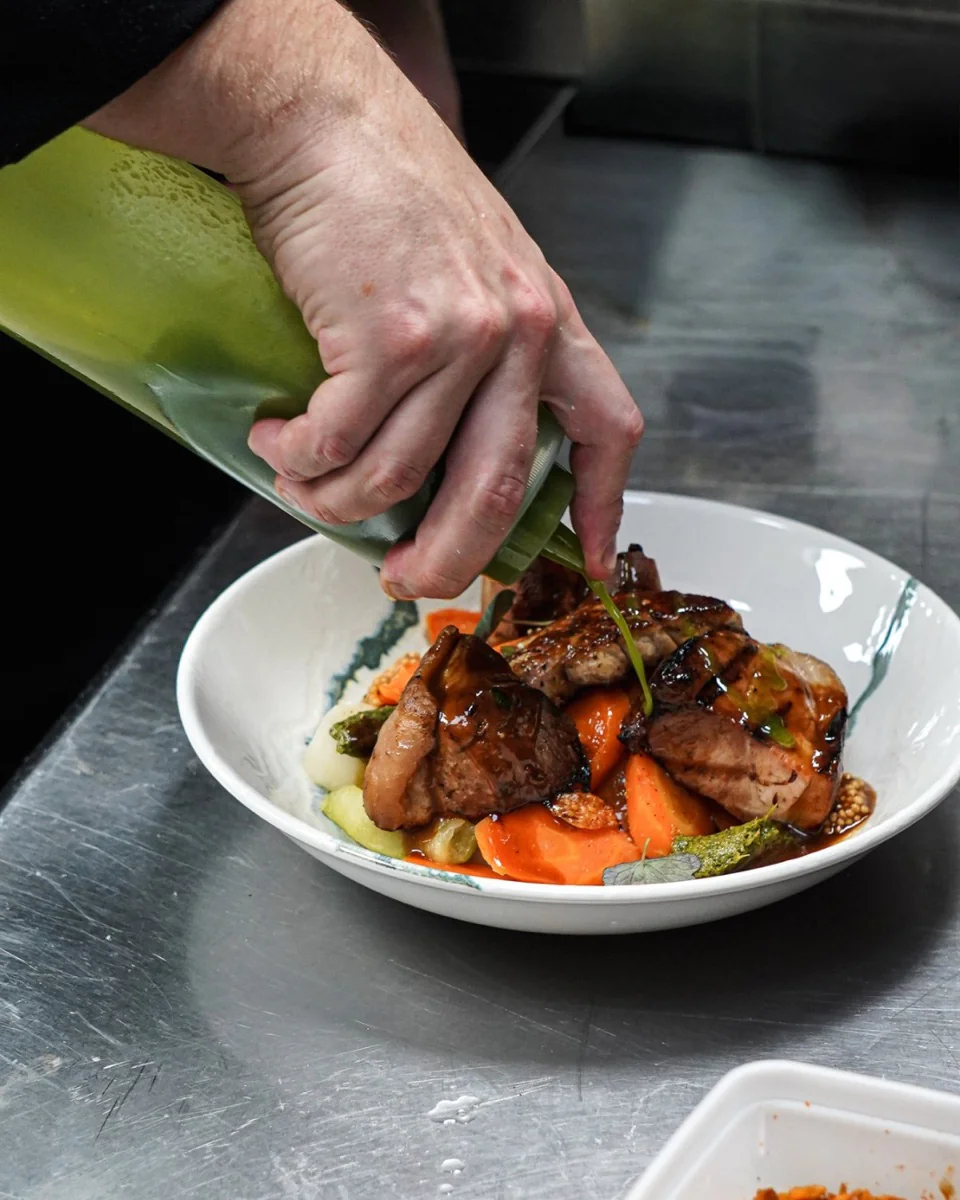
How to recognise homemade cooking in a restaurant: 7 signs that never lie
A chalkboard promising “homemade” and a small doubt when ordering. Here is a simple, concrete checklist — no inspector attitude required.
In short
Look first at the bread, the sauces and the desserts: they reveal industrial shortcuts fastest.
A short menu that changes with the seasons is usually more reliable than a long, unchanging one.
In France, the “fait maison” mention means cooked on site from raw produce, but it is optional and says nothing about quality.
The best test is human: ask a simple question — a team that truly cooks answers gladly.
The starting point
Why the question comes up (and that’s fine)
Many restaurant dishes today are prepared elsewhere and simply reheated. Not illegal, not always bad — but not the same promise as cooking on site.
This guide gives you a reading grid, not a guilt trip.
The framework
What does the “fait maison” mention really mean?
A regulated French mention
Since 2014, France regulates the “fait maison” mention: a dish cooked on site from raw produce, with a dedicated logo.
What the label does not guarantee
It is optional and judged dish by dish; it says nothing about freshness, seasonality or talent.
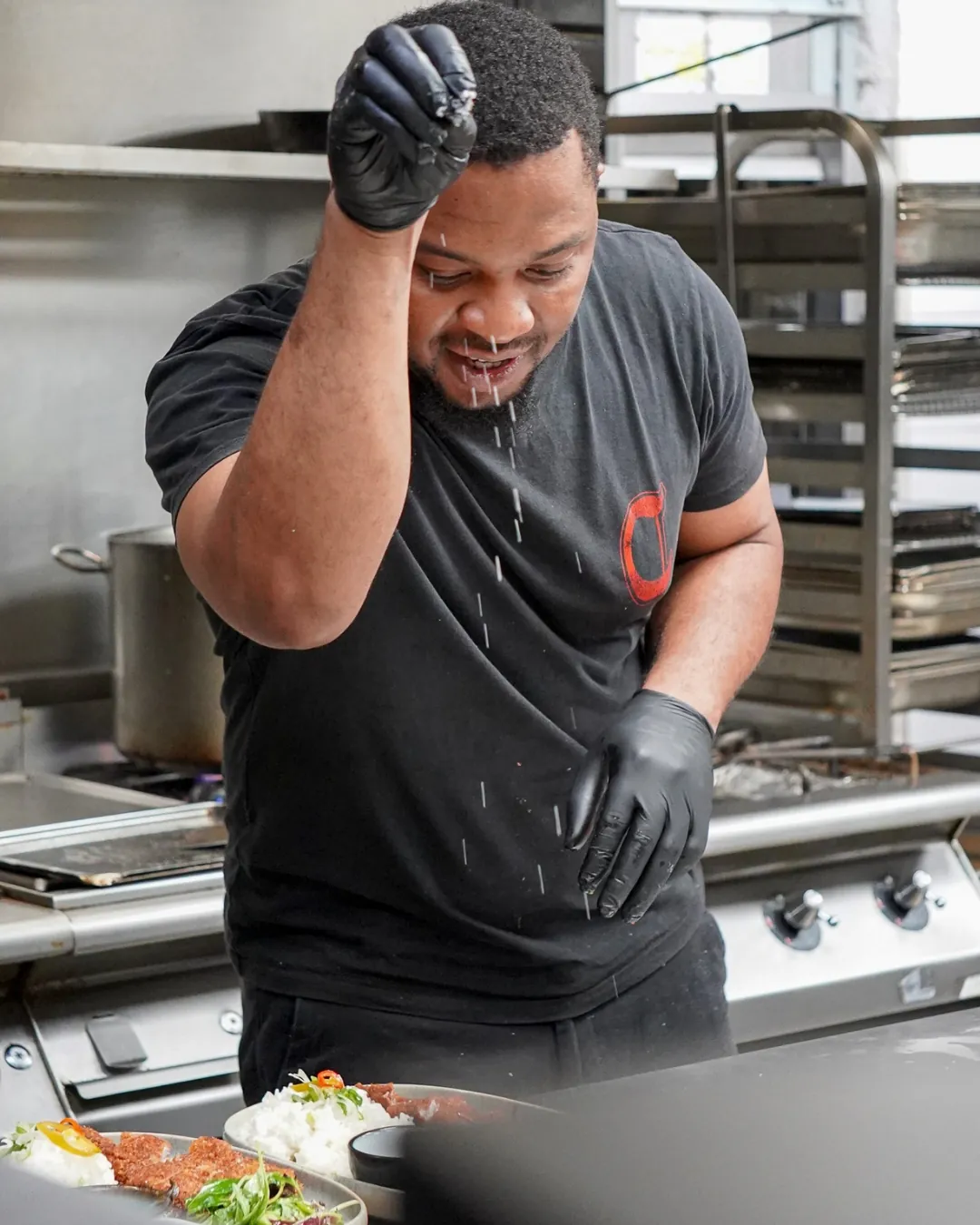
The vocabulary
Homemade, processed, assembled: the difference
Three ways to fill a plate, three levels of kitchen work.
Homemade
Raw produce transformed entirely on site.
Processed
Part of the work done upstream by industry; the kitchen finishes the dish.
Assembled
The dish arrives almost ready: reheated, portioned, garnished.
The checklist
The 7 signs of truly homemade cooking
No single sign is proof, but three or four together are reassuring.
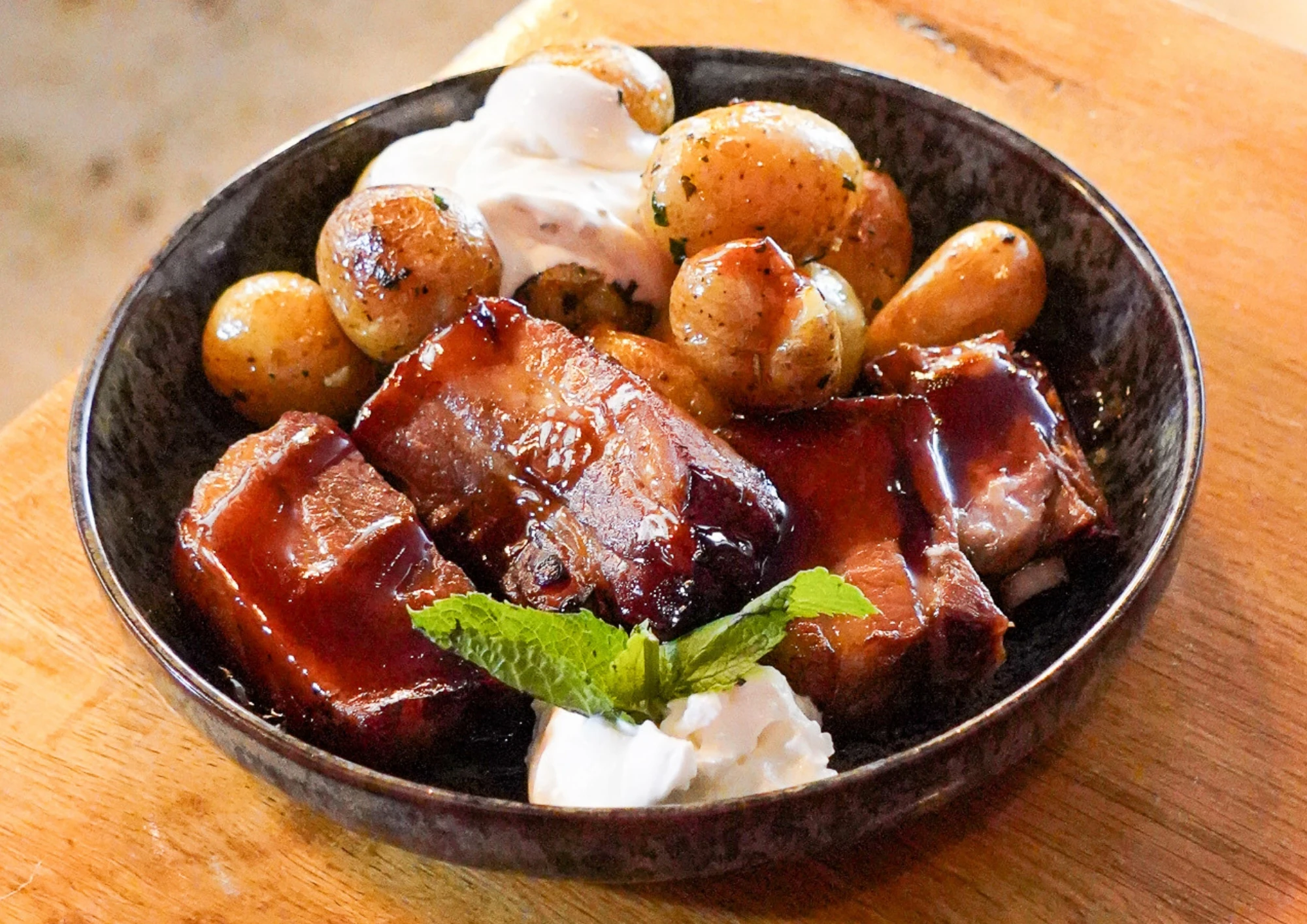
The bread
A crackling, uneven crust and an irregular crumb.
The sauces
A lively texture, not perfectly uniform.
The desserts
Small imperfections, plated the same day.
A short, changing menu
Few dishes, renewed over the months.
Seasonal produce on the board
What the market offers right now.
Announced preparation times
Cooked to order takes a few minutes.
A transparent team
Precise, willing answers to simple questions.
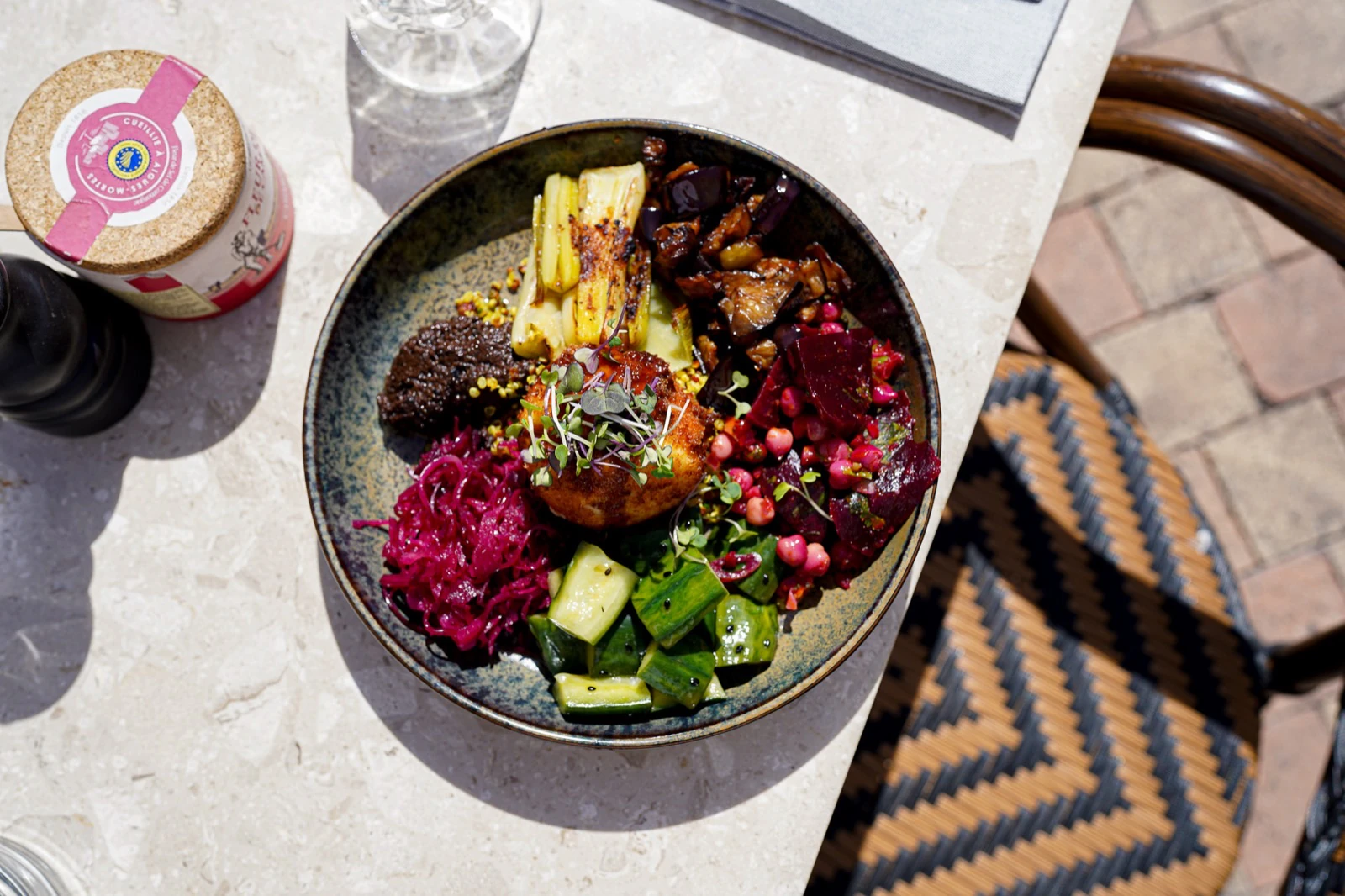
The good sign
Why a changing menu is a good sign
Serving identical dishes all year often requires off-season or industrial products. A changing menu shows a kitchen working with deliveries.
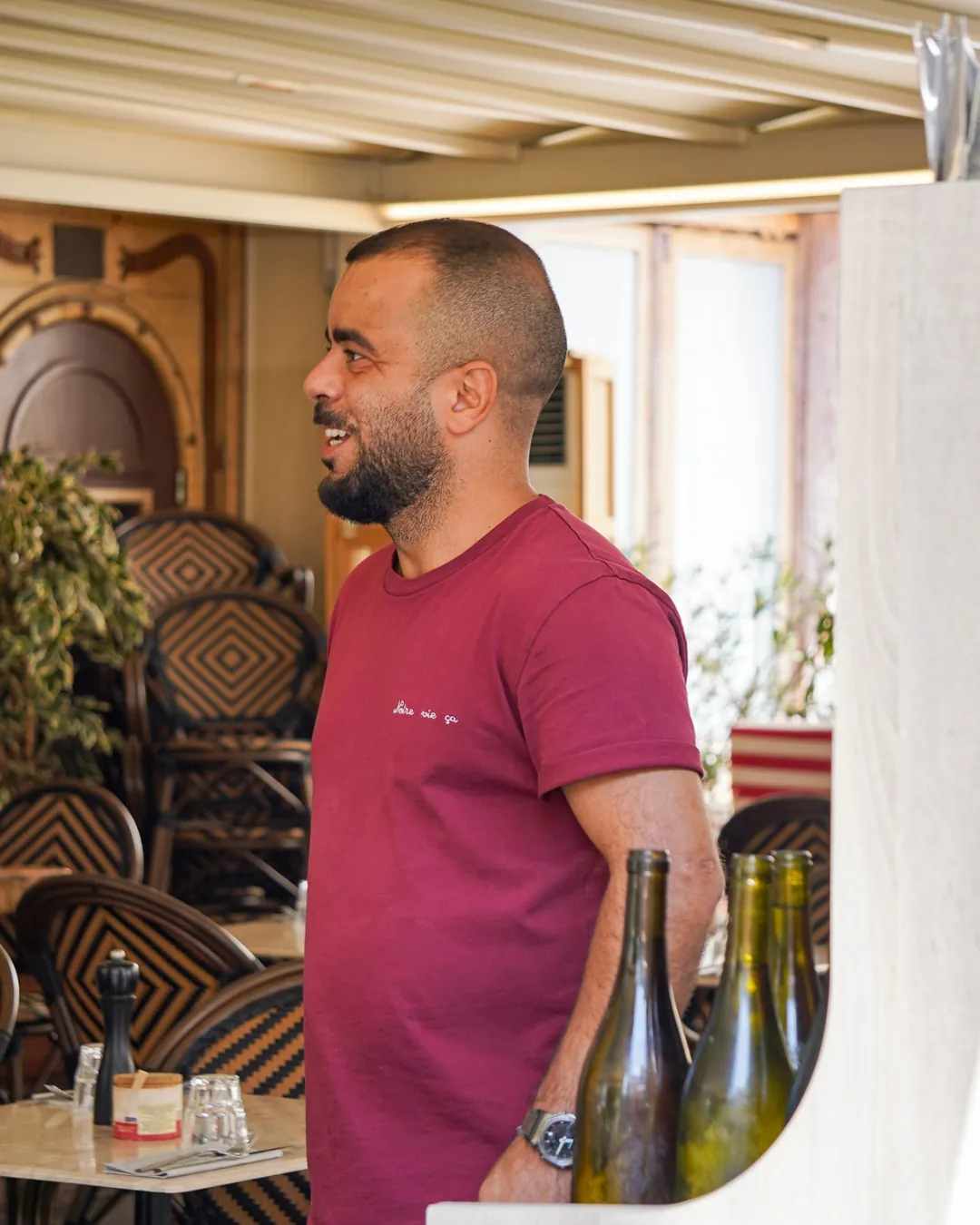
In the dining room
Questions to ask without sounding like an inspector
Curious rather than suspicious: tone is everything.
“What do you recommend today?”
A cooking team will talk about the day’s produce.
“Do you make the bread here?”
Easy, and the answer is often proud.
If a dish isn’t made in-house and they say so, that honesty is a great sign.
A case study
Homemade ≠ complicated: seasonal cooking
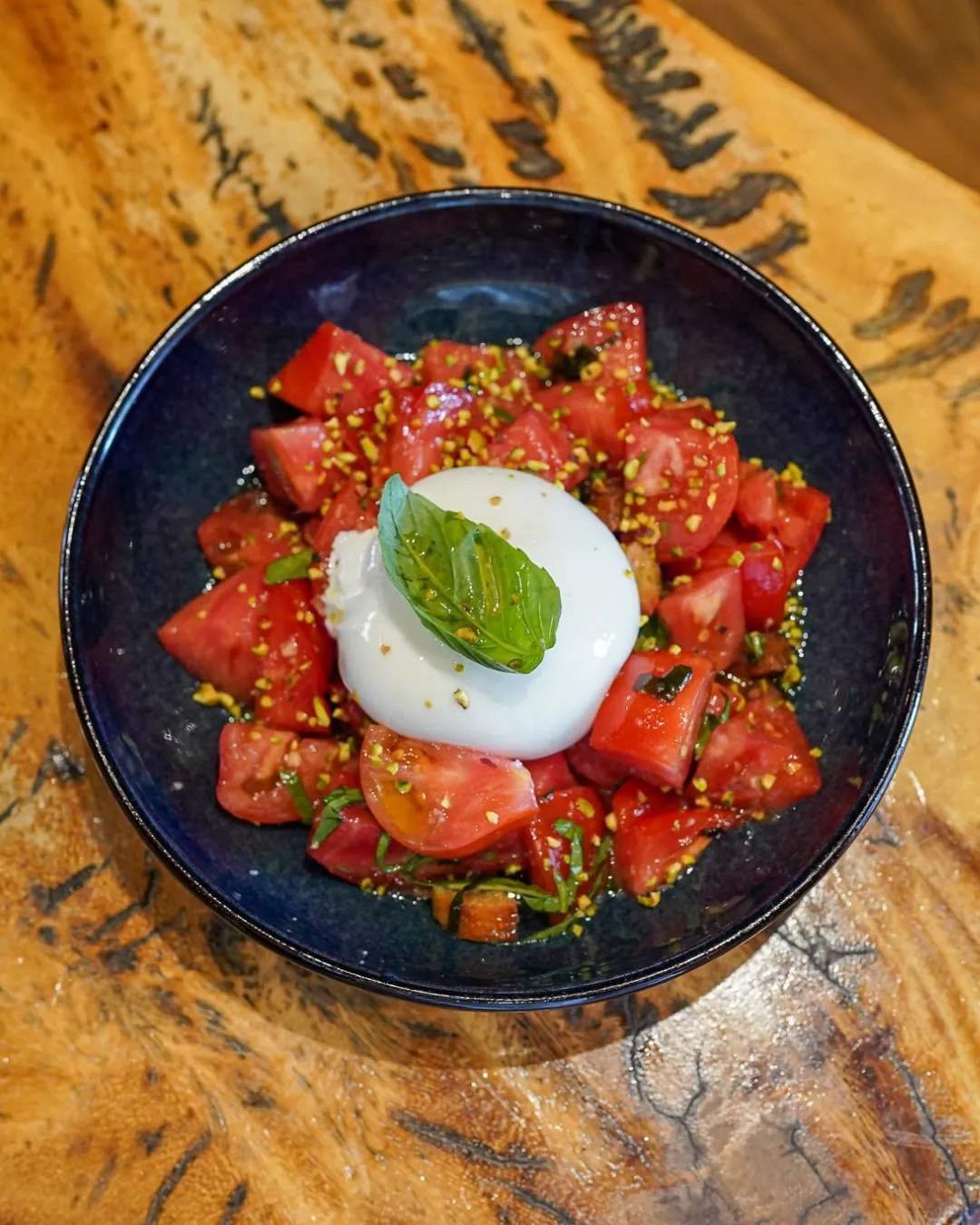
Ripe tomatoes, burrata and basil prepared on site: simple, and homemade. Seasonal produce needs no standardised sauce.
Take a Vieux-Port restaurant that makes its bread, sauces and desserts on site, lunch and dinner alike.
Warning flags
Signals that should raise an eyebrow
None is damning alone, but together they deserve a question.
A huge, world-spanning menu run by a tiny team.
Perfectly identical desserts served in seconds.
Vague answers to simple questions.
The invitation
Judge for yourself on the Vieux-Port
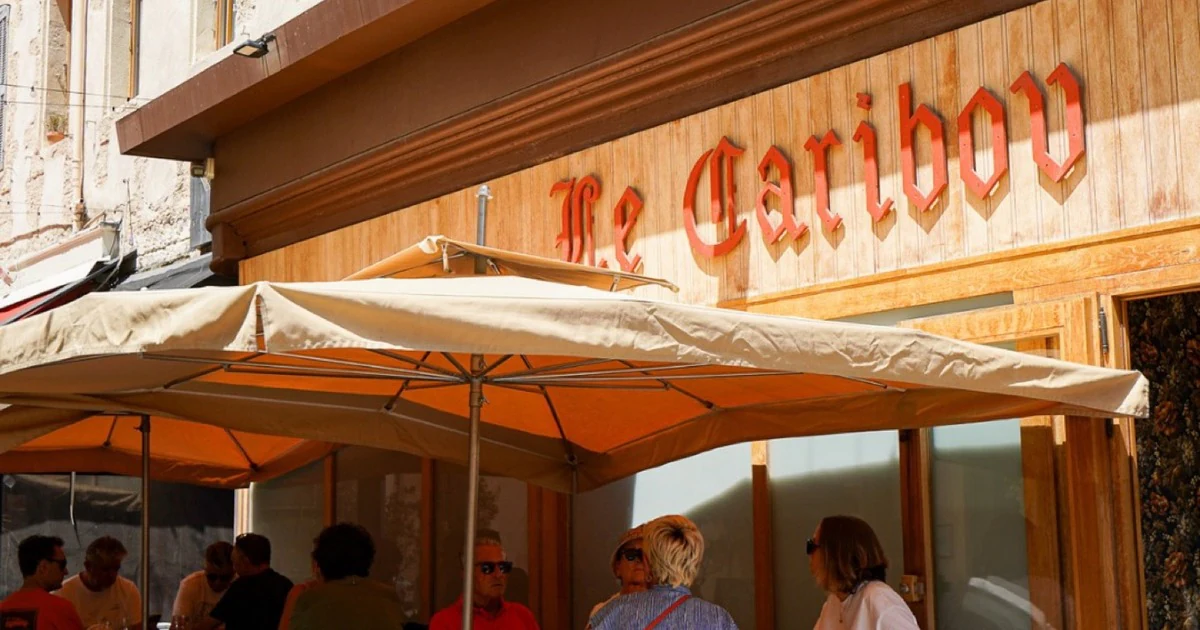
At Le Caribou, place Thiars, bread, sauces and desserts are made on site, lunch and dinner. Bring the checklist and ask away.
Good to know
Homemade cooking FAQ
Is homemade cooking more expensive?
Not necessarily: seasonal produce is often affordable and a short menu limits waste.
Can a lunch set menu be 100% homemade?
Yes, if it is kept short and prepared the same morning.
How can I tell before booking?
Check the online menu’s length and seasonality, recent photos, or simply call.
Is frozen produce incompatible with homemade?
No: raw produce may be frozen, as long as it is cooked on site.
No “fait maison” logo means industrial?
No, the mention is optional.
“Homemade” vs “made on site”?
“Made on site” is a free phrase that can cover reheated dishes.
Going further
See homemade cooking at work
Bread, sauces and desserts made on site, a seasonal menu, on the Vieux-Port.
Also worth reading
Ready to test the checklist?
Book your table at Le Caribou, place Thiars on Marseille’s Vieux-Port — and judge for yourself.